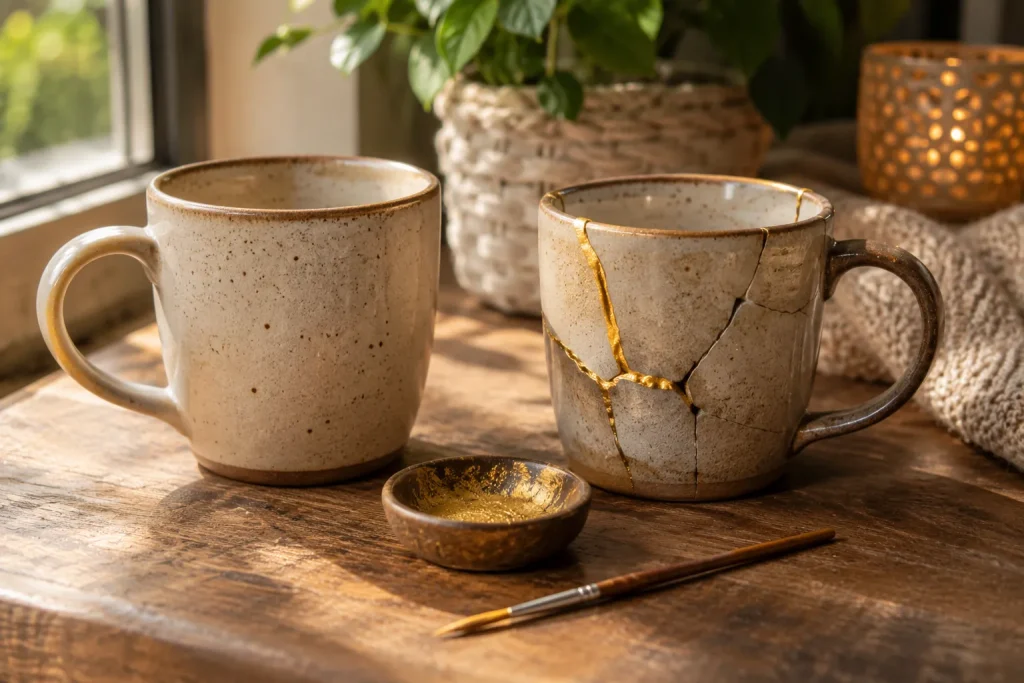

Most couples don’t notice it happening. One day you realize you can’t remember the last time you had a real conversation. You’re sharing a home, a bed, a routine — but somewhere along the way, you stopped truly sharing yourselves.
This is what it feels like when relationship go stale – and why relationships go stale so gradually that most couples don’t notice until the distance is already significant. And according to research published in the National Library of Medicine, relational boredom is one of the most common and underestimated challenges in long-term partnerships — with one clinician calling it “perhaps the most common denominator of all marital problems.”
The good news: a stale relationship is not the same as a dead one. Understanding why relationships go stale is the first step toward doing something about it — and most couples who recognize the pattern early enough can genuinely turn things around. This connects to the broader dynamics we explore in our guide to common relationship problems.
What Does It Mean When a Relationship Goes Stale?
A stale relationship isn’t one full of conflict. Understanding why relationships go stale starts here. Often it’s the opposite — it’s quiet. Comfortable in a hollow kind of way. You get along fine. You don’t fight much. But you also don’t feel much.
Psychologist Dr. Robert Taibbi, writing for Psychology Today, describes these as “stale couples” — partners who say they get along but feel disconnected, asking themselves: “Do I want to keep doing this for the next 20 years?”
Staleness in a relationship typically involves:
- Conversations that stay surface-level — logistics, schedules, practical matters
- Physical and emotional intimacy that has gradually faded
- A sense of going through the motions rather than genuinely connecting
- Feeling more like roommates or co-parents than romantic partners
- A quiet loneliness that exists even when you’re together
None of these are signs that love is gone. They’re signs that the relationship needs attention.
The 8 Real Reasons Relationships Go Stale

1. You stopped being curious about each other
Early in a relationship, everything is new. You ask questions, discover things, surprise each other. Over time, many couples stop exploring — assuming they already know everything there is to know about their partner. But people keep changing. The person sitting across from you is not exactly who they were three years ago. When curiosity fades, so does connection.
2. Life took over and the relationship got deprioritized
Work, children, finances, health — life has a way of expanding to fill every available space. The relationship that once got your best energy now gets whatever is left at the end of the day.
And what’s left is often not much. Research shows that couples who feel stuck in a rut are more likely to experience distress and dissatisfaction over time — precisely because they’ve let the relationship slide to the bottom of the priority list.
3. You stopped having new experiences together
Novelty is not a luxury in relationships — it’s a psychological necessity. One of core reasons relationships go stale is the loss of shared new experiences. When couples consistently do the same things, see the same people, and talk about the same topics, the brain stops registering the relationship as stimulating. Psychologist Limor Gottlieb explains that introducing new and exciting experiences regularly is one of the most evidence-based ways to maintain connection. It doesn’t require grand gestures — it requires intentionality.
4. Emotional conversations were replaced by practical ones
At some point, many couples shift from talking about feelings, dreams, fears, and ideas — to talking about who’s picking up the kids, what’s for dinner, and whether the car needs servicing. Both kinds of conversations are necessary. But when the practical completely replaces the emotional, intimacy quietly starves.
5. Digital distraction eroded presence
According to research cited by relationship researchers in 2026, 51% of adults reported feeling ignored because their partner focused more on their phone during important conversations. Phones in particular create a subtle but constant form of absence — you’re physically present but emotionally elsewhere. Over months and years, this erodes the sense of being genuinely seen by your partner.
6. Unresolved conflicts were swept under the rug
Dr. Taibbi identifies this as one of the two core reasons relationships go stale: the tendency to avoid difficult conversations rather than work through them. When issues are consistently minimized or ignored, they don’t disappear — they accumulate. The relationship becomes a place where certain things can’t be talked about, and that silence creates distance that gradually becomes the norm.
7. You confused stability for stagnation
Research from Psychology Today makes an important distinction: emotionally stable partners can feel boring because their internal thermostat is set to a comfortable steady temperature — not swinging between highs and lows. Many people mistake consistency for dullness. If you’ve come from relationships with high emotional volatility, calm and reliable can genuinely feel flat — even when it’s actually healthy.
8. Individual growth happened separately, not together
People change. Interests shift. Values evolve. When both partners grow in the same direction — or at least remain curious about each other’s growth — the relationship evolves with them.
When growth happens in parallel but separate lanes, partners can gradually become strangers who share an address.
This is one of the most painful forms of relationship staleness because there’s no single moment it happened — just a slow drift that took years to notice.
How to Tell If Your Relationship Is Stale — or Something More Serious
Not every period of disconnection means the relationship has gone stale in a fundamental way. Life brings seasons of stress, exhaustion, and distraction that temporarily affect any relationship.
But there are signs that suggest something deeper needs attention:
- The flatness has persisted for months, not weeks
- You feel indifferent rather than frustrated — apathy is harder to work with than conflict
- You’ve stopped making future plans together with genuine enthusiasm
- The idea of reconnecting feels more effortful than appealing
- You feel lonelier inside the relationship than you imagine you would outside it
If any of these feel true, this is worth taking seriously — not as evidence the relationship is over, but as a signal it needs real investment, not just date nights.
It’s also worth asking whether what feels like staleness might actually be something else — unresolved resentment, mismatched attachment styles, or patterns of emotional withdrawal that go deeper than routine. Our guide to anxious attachment style explores how attachment patterns shape the way partners pursue or withdraw from connection.
How to Fix a Stale Relationship: What Actually Works

Date nights are often the first suggestion. They can help — but they’re surface-level if the underlying disconnection isn’t addressed. Here’s what relationship research and psychology actually point to:
Reintroduce genuine curiosity
Ask your partner questions you don’t already know the answer to. Not “how was your day” — but “what’s something you’ve been thinking about lately that you haven’t told me?” or “is there anything about your life right now that feels unfinished?” Real curiosity creates real intimacy.
Have the conversations you’ve been avoiding
The topics that feel too uncomfortable to raise are usually exactly the ones that need to be raised. Sweeping things under the rug doesn’t make them go away — it just adds them to an invisible pile that eventually makes the floor uneven. A couples therapist can make this process significantly safer and more productive.
Create novelty — deliberately
Novelty doesn’t require expense or drama. It requires doing something neither of you has done before, together. A new restaurant, a different walking route, a class, a trip somewhere unfamiliar. The brain responds to new shared experiences by associating that novelty with your partner — which is why early relationships feel so electric. You can recreate that effect intentionally.
Protect time from digital intrusion
Designate specific times — dinner, the first hour after work, before sleep — as phone-free. The goal isn’t restriction, it’s presence. When your partner has your full, undistracted attention, they feel it. And when they feel it consistently, the relationship starts to feel like a place worth investing in again.
Grow together, not just separately
Take an interest in what your partner is currently interested in — even if it’s not naturally your thing. Read the book they’re excited about. Watch the documentary they keep mentioning. Ask about the project at work they’ve been consumed by. Shared curiosity about each other’s inner worlds is one of the strongest predictors of long-term relationship satisfaction.
Consider couples therapy before it feels urgent
One of the most common mistakes couples make is waiting until the relationship is in crisis before seeking support. Couples therapy is most effective when used proactively — as a space to maintain and deepen connection, not just repair damage. If your relationship feels stale, that’s a perfectly good reason to go.
When Staleness Is a Sign to Leave
Not every stale relationship can or should be revived. Sometimes what looks like staleness is actually the quiet recognition that two people have grown in genuinely incompatible directions — and that the relationship has run its natural course.
Signs that staleness may be pointing toward an ending rather than a renewal:
- One partner is willing to work on it and the other isn’t
- The disconnection is accompanied by contempt, not just indifference
- Attempts to reconnect are consistently rejected or dismissed
- Your values or life visions have become genuinely incompatible
- You feel relief rather than sadness when imagining the relationship ending
These are hard truths about why relationships go stale. But they matter — because staying in a relationship out of habit or fear, rather than genuine desire, doesn’t serve either person.
A Final Word
Relationships go stale not because love disappears, but because connection requires maintenance that life often makes easy to skip. The couples who stay genuinely close over years and decades aren’t the ones who never feel the drift — they’re the ones who notice it and choose to do something about it.
If your relationship feels stale right now, that feeling is information. Not a verdict. Relationships go stale gradually – but they can be revived the same way. Use it.
Frequently Asked Questions
Why do relationships go stale?
Relationships go stale for several interconnected reasons: declining curiosity about each other, life priorities crowding out the relationship, loss of novelty and shared experiences, emotional conversations being replaced by practical ones, digital distraction, unresolved conflicts, and partners growing in separate directions. Research identifies relational boredom as one of the most common long-term relationship challenges — and one of the most underestimated.
Is a stale relationship worth saving?
In most cases, yes — particularly when both partners are willing to acknowledge the problem and invest in addressing it. Staleness is usually a symptom of neglect rather than fundamental incompatibility. Couples therapy, deliberate novelty, and honest emotional conversations have strong track records of reviving disconnected relationships. The exception is when staleness is accompanied by contempt, incompatible values, or one-sided effort.
How do you know if your relationship has gone stale?
Signs your relationship may have gone stale include conversations that stay surface-level, faded physical and emotional intimacy, feeling like roommates rather than partners, a quiet loneliness even when together, loss of curiosity about each other, and going through the motions without genuine connection. A key indicator is duration — a few weeks of disconnection is normal; months of consistent flatness warrants attention.
Can a stale relationship get its spark back?
Yes. Research on novelty in relationships consistently shows that new shared experiences reactivate the brain’s reward systems in ways that mirror early relationship chemistry. Couples who deliberately introduce novelty, prioritize emotional conversations, and address avoided conflicts regularly report significant improvements in connection and satisfaction. The spark is not gone — it needs fuel.
What is the difference between a stale relationship and falling out of love?
A stale relationship involves disconnection and loss of vitality — but the underlying love and commitment may still be intact. Falling out of love typically involves a deeper shift: indifference rather than disconnection, absence of positive feeling rather than absence of excitement, and a sense that the person you’re with has become genuinely unfamiliar. Staleness is usually reversible. Falling out of love requires honest assessment of whether what was there can be rebuilt — or whether it has genuinely run its course.